
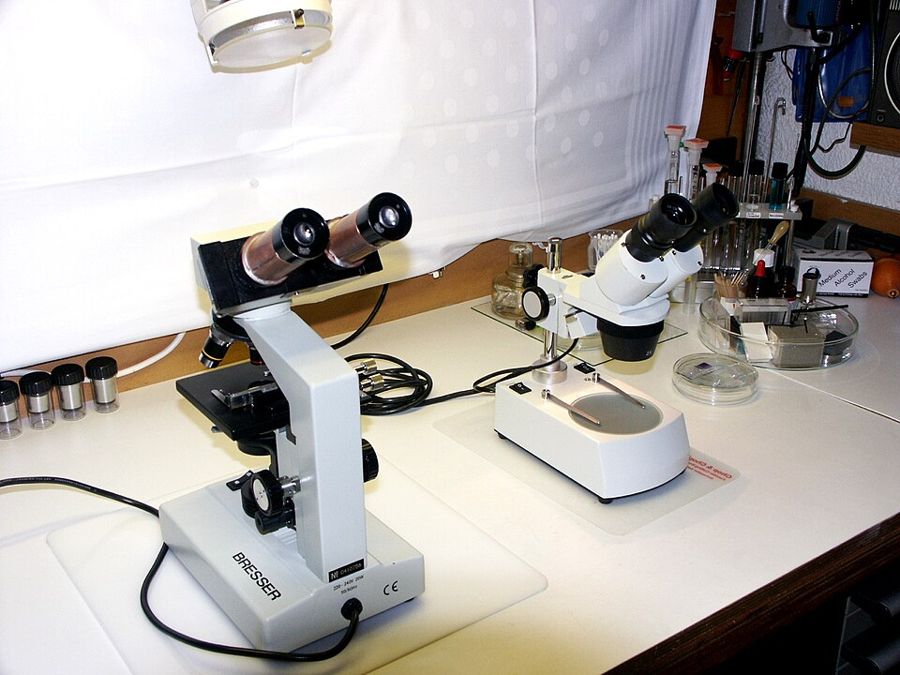
Scientific research
A question studied with sources, data and a method that can be checked.
Ask about research →TRoyLAB™Research and innovation
A lab for scientific research, projects, innovations, new software and better scientific software.
Send us a question See our projects

What we do
A question studied with sources, data and a method that can be checked.
Ask about research →
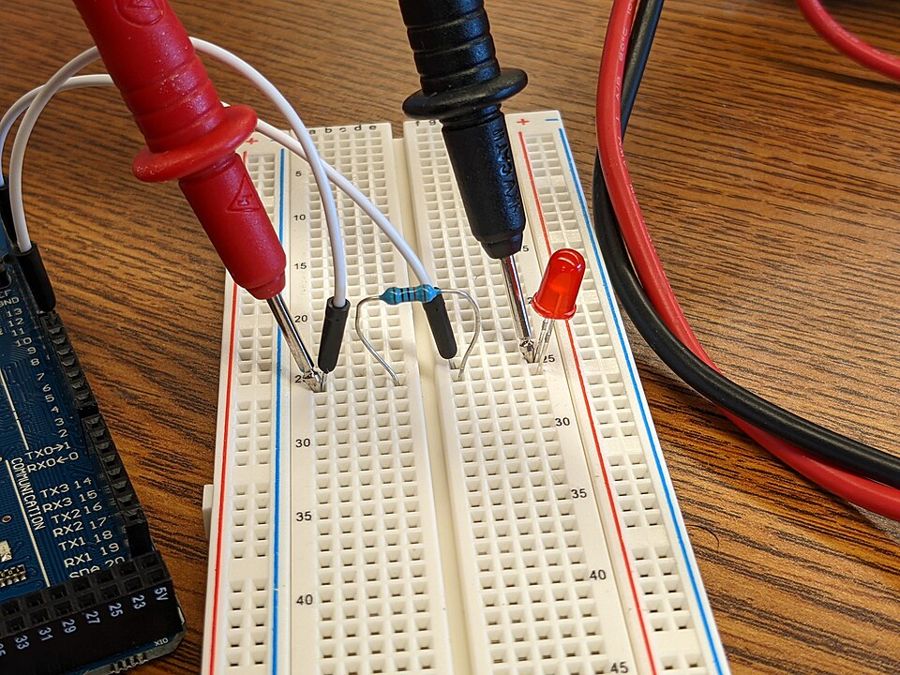
A new idea or a better way of doing something, tested before it is believed.
Share an idea →
Software built for a research or technical job that existing tools do not do well.
Ask about new software →
Make existing scientific software more correct, repeatable, faster, tested and easier to use.
See what can be improved →Our projects
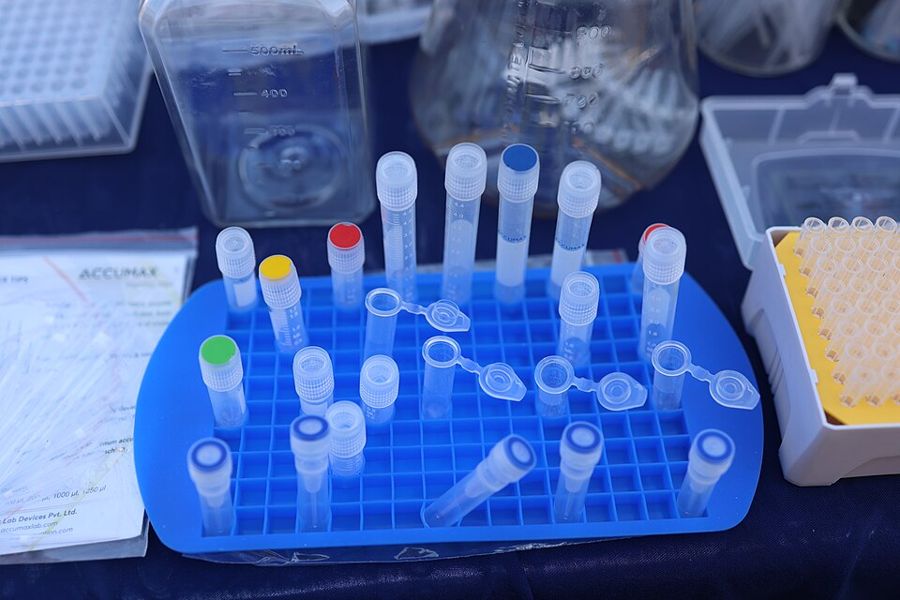
A research project that maps what is known and unknown about hard-to-diagnose conditions, starting with hypermobile Ehlers-Danlos syndrome (hEDS). It uses open, public sources only, and links what it states back to those sources.
Research leads for qualified scientists. Not medical advice, diagnosis or treatment.
Ask about LACUNA™ →
Shared tooling for our research on rare and hard-to-diagnose conditions. Its job is to gather records from open biomedical sources, check citations against the original and keep each hypothesis with its sources and a confidence label.
Research tooling only. It makes no clinical claims.
Ask about TRoyHELIX™ →
A research project on vibe coding through language and cognitive science. It studies how free-form spoken or typed words can become a small, structured form that an AI model can read, without losing what the person meant. It also explores using pictures and video alongside words when searching for knowledge.
Ask about TRoyVIBE™ →Press a stage to see what happens.
We write down exactly what we want to find out, and why it matters.
We search what is already known: papers, data, code, pictures and video.
We decide how to test the question and what would count as a pass or a fail, before we start.
We run the experiment or write the software.
We test the result, open the sources again and look for ways it could be wrong.
We write it up so another person can follow it and repeat it, as far as the data and agreements allow.
Tick what applies, then send it to us.
A study or a research tool you would like to work on together.
Propose working together →Something nobody has solved well for you yet.
Tell us the problem →Design and prototypes are the work of TRoyGAR™. Finished products can be offered through TRoyGARAGE™.
Visit TRoyGAR™ →